All Categories
Featured

VA Debt Management Vs. Private Debt Solutions
Table of Contents
Get VA health care, learn how to gain access to services, and handle your health and advantages online. Submit a claim for disability payment for conditions related to your military service, and manage your advantages over time. Apply for and manage your GI Costs and other education benefits to help spend for college and training programs.
Steps to Secure Veteran Monetary Relief in 2026Apply for regular monthly payments for wartime Veterans and survivors with restricted or no earnings who meet particular age and disability requirements. Learn if you're eligible for a VA-backed home loan. If you have a service-connected impairment, see if you certify for a real estate grant to help you live more individually.
Handle your policy online, file claims for benefits, and gain access to handy resources. Get help planning a burial in a VA national cemetery, order a headstone or other memorial product to honor a Veteran's service, and obtain survivor and dependent benefits. Request a printed Veteran ID card, get your VA benefit letters and medical records, and find out how to use for a discharge upgrade.
Optimizing VA Entitlement ClaimsPractical VA Debt Optimization Steps for 2026
Learn about the benefits you might be eligible for as the spouse, dependent, survivor, or caretaker of a Veteran. Find out more about the VA departments that handle our advantage and health care programs.
Composed by Legal Aid Society Attorney Frank Bencomo If Veterans Affairs contacts you mentioning that you have actually been overpaid advantages and hence owe them a large sum of financial obligation, it's vital to comprehend your rights under the law. Title 38 of the Code of Federal Laws lays out how veterans can seek relief from sudden debt charges.
These overpayments lead to financial obligations that the VA will try to collect on. The VA may keep or decrease future advantages to recuperate the owed quantity.
If the financial obligation stays unpaid, the VA may refer the financial obligation to the Treasury Department or a collection agency. This can lead to increased pressure to pay back the financial obligation and may involve additional charges or charges. Overdue debts can adversely affect your credit rating if they are reported to credit bureaus.
How to Handle VA Obligations in 2026
In severe cases where efforts to gather the debt have actually been unsuccessful, the VA might take legal action to recuperate the quantity owed. This might result in court proceedings and extra legal expenses. Failure to address overpayment financial obligation can threaten eligibility for future VA benefits or services. Resolving the debt is typically essential to maintain eligibility for numerous VA programs.
Looking for assistance to resolve the concern can help alleviate the impact on your benefits and financial circumstance. If you believe the overpayment is incorrect or if there are extenuating circumstances, you can appeal the decision or demand a reconsideration.
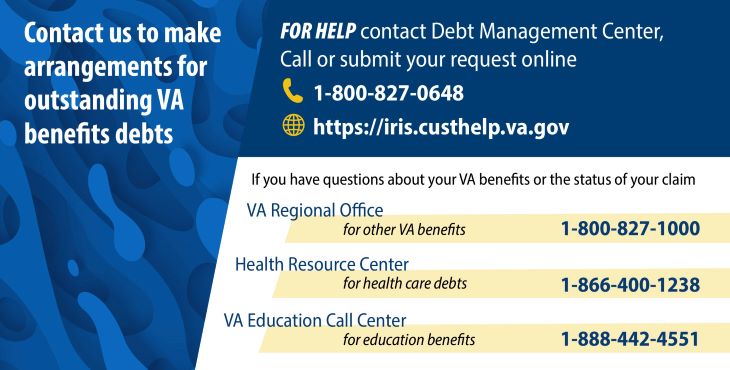
If the overpayment stands, you can deal with the VA to establish a repayment strategy. This can include paying the debt in full or establishing a payment schedule based upon your monetary circumstance. In specific circumstances where repayment would trigger monetary hardship, you can ask for a waiver of the debt.
Improving Military Spouse Employment Options in 2026
Think about reaching out to a Veterans Service Organization (VSO) or legal aid for guidance and support in navigating the procedure. They can offer valuable recommendations and assistance in dealing with overpayment issuesRespond to the notification within the defined timeframe and preserve open communication with the VA. Neglecting the notification or delaying reaction might lead to further issues.
Asking for a waiver of VA overpayment debt involves demonstrating specific aspects that add to monetary hardship or would make repayment unjust. Here are some aspects that could support your request for a waiver:: Program that paying back the debt would trigger significant monetary challenge. This might consist of proof of low earnings, high necessary expenses, or unanticipated monetary burdens.: Offer documentation suggesting that you do not have the means to repay the financial obligation.

If fault for an overpayment can not clearly be credited the recipient, VA's policy is to assume that fault and not create a debt against the beneficiary. The VA has a liberal policy that, whenever the evidence of record is equally susceptible of being translated as revealing a lack of knowledge by the recipient and as revealing that he or she knew but stopped working to divulge material truths to VA, the doubt will be fixed in the beneficiary's favor.

Latest Posts

Strategic VA Debt Management Systems for 2026

Managing Outstanding VA Claims Relief for 2026

Ways to Optimize Military Benefit Returns in 2026